

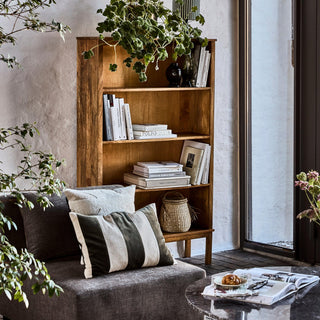


About Accessories
With the right accessories, you can quickly add more warmth, color, and balance to your interior. In this collection, you’ll find home accessories for the living room, bedroom, hallway, kitchen, and bathroom. Think decorative objects, wall pieces, and practical accents that make your home more personal and are easy to combine.
Accessories for a home that feels complete
Accessories make the difference between an empty space and an interior that feels thoughtfully styled. A vase on the table, a bowl on a sideboard, or a basket next to the sofa immediately creates more cohesion. Do you prefer small accents, or do you want to add a statement piece? In this collection, you’ll find both, so you can easily switch things up and combine them.
Which accessories suit your space?
Not every space calls for the same approach. In a living room, groups of different heights often work well, while in a hallway you’re usually better off choosing a few clear items. For an empty wall, take a look at wall decor or a set of paintings. If you mainly want to decorate a cabinet, table, or windowsill, then decorative accessories and ornaments are a natural choice.
Choosing help: how to pick with ease
When choosing accessories, pay attention to four things:
- The spot: first measure the available space on a table, shelf, or wall.
- The size: a small item gets lost on a large cabinet, while an oversized object can look busy.
- The material: ceramic, glass, wood, and metal each create a different look.
- The color: work with two or three main colors for a calm overall feel.
Practical combinations without making it feel crowded
A good base is a mix of tall, low, round, and straight shapes. For example, place a bowl next to a taller vase or combine a stack of books with a small object. It’s better to use a few carefully chosen items than lots of loose accessories mixed together. That way, your interior stays balanced and each item gets the attention it deserves.
Tips by place in the home
- On the coffee table: combine a bowl, candles, and an object in odd numbers.
- On a sideboard: build in layers with a frame or wall piece behind smaller accessories.
- In the hallway: choose a practical combination of decor and baskets for scarves, gloves, or loose items.
- On the wall: alternate a large piece of wall decor with smaller accents for more depth.
Accessories in different interior styles
If you love a light and simple base, choose calm colors, natural materials, and shapes that work well together. If you prefer something warmer or more expressive, you can work with dark glass, rough textures, or a distinctive ornament. By sticking to one color palette, the whole look still feels polished.
FAQ about accessories
How many accessories are best on a cabinet or table?
Start with three items in different heights. That creates a calm look and is easy to build on. If you have a large piece of furniture, you can work with two small groups instead of lots of separate items.
How do I choose the right size?
Look at the proportions in relation to the furniture. An accessory on a dining table or wide sideboard can be larger than one on a narrow shelf or console table. If in doubt, choose a medium-sized piece that works in several places.
Which materials combine well with each other?
Glass and ceramic add refinement, while wood and rattan bring more warmth. Metal works well as an accent. A mix of smooth and textured materials often makes a display more interesting.
Can I combine accessories from different styles?
Yes, as long as color and shape support each other. For example, choose one main color and let it return in several items. That way, the combination doesn’t feel scattered or busy.
How do I keep decorative accessories neat?
Dust them regularly with a dry or slightly damp cloth. Move delicate items carefully and place glass or ceramic on a stable surface. If you use them in a bathroom or kitchen, always check whether the material can handle moisture well.
